


The celebration that set the stage for a miracle
Jesus did this, the first of his signs, in Cana of Galilee. He revealed his glory, and his disciples believed in him (John 2:11).
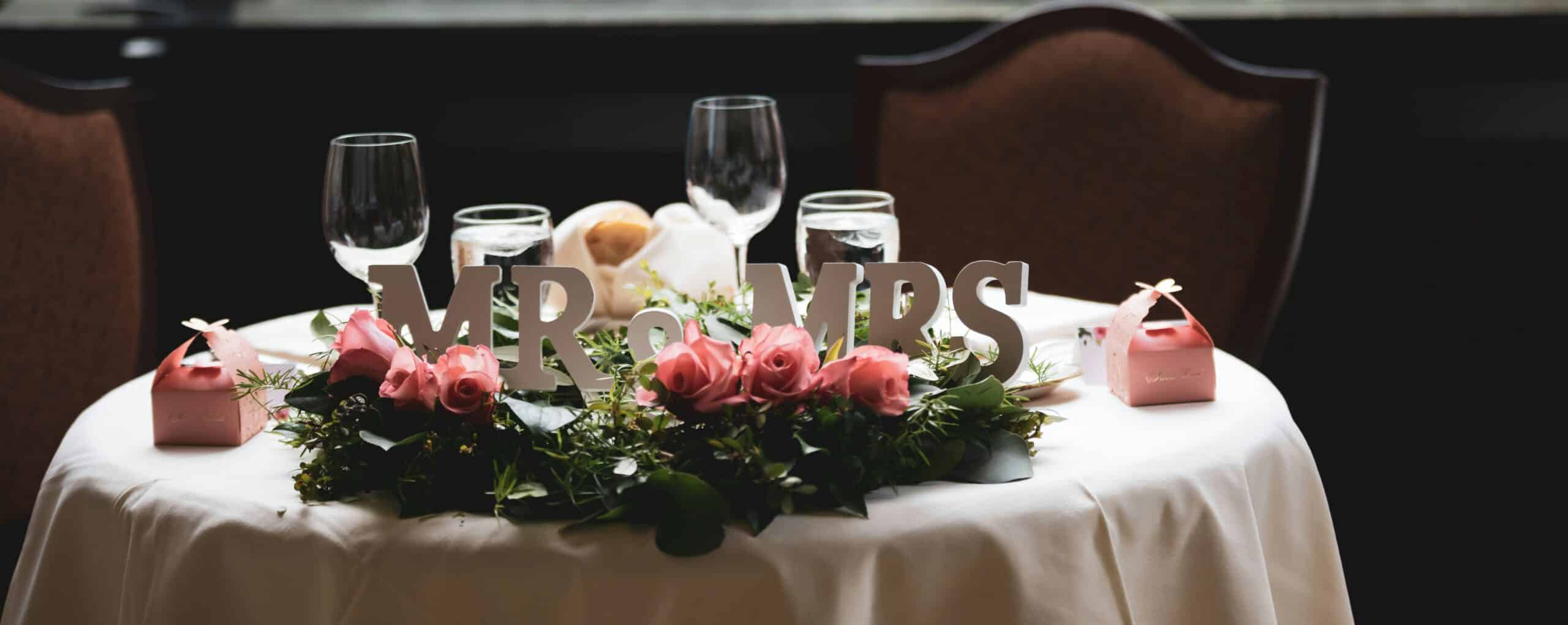
Weddings in the ancient world were impressive. While our modern wedding celebrations may last a few hours, in those days, they could be as long as a week! They were huge social events. Right away, Jesus took his disciples to a wedding in Cana. It’s interesting to note that this wedding took place on the “third day” (John 2:1). The Jews believed that the third day was special because it was the only day in the creation account that was “double blessed” (Genesis 1:9-13), and as a result, many weddings were held on this day. However, this wedding was experiencing a crisis.
Apparently, the supply of wine had reached dangerously low levels and was going to run out at any time. This, of course, would be a social disaster and embarrass both families, which is why Mary, Jesus’ mother, tried to solve the problem. Her involvement may indicate that this wedding was for a relative or close family friend. When she had exhausted all options, she came to Jesus asking for help.
An unexpected response from Jesus
Jesus quickly reminded her that his “hour had not yet come.” There would soon be a time when he would reveal his miracle-working power for all to see, but now was not the time. However, Jesus responded to his mother’s request in a way that resolved the problem without attracting attention to himself. Jesus ordered the servants to fill up six stone jars with water, each holding twenty to thirty gallons. These jars were used for ceremonial washing and purification. They were large, heavy, and fixed in place.
Even today, you can see similar stone jars at St. Bartholomew the Apostle Church in Kafr Kanna. Jewish rabbis held that the water for purification must be kept as pure and clean as possible. Ceramic jars were not allowed because the material was porous and could conceivably retain debris that would contaminate the water; thus, stone jars were required.
Jesus told them to fill the jars with water, instructing them to dip out a cupful and take it to the head waiter. When the head waiter tasted it, he proclaimed to the groom, “You have kept the fine wine until now!” (John 2:10).
Revealing his glory to a few
This event showcases both Jesus’s humanity and his deity. We see him here in his humanity as a loving son, caring for his mother. Likewise, after the wedding, Jesus took his disciples and his family and retreated together along the shores of the Sea of Galilee in Capernaum for a few days.
Not many were aware of what had taken place. This miracle was most likely missed by the casual observer, as only Mary, a few servants, and Jesus’s disciples knew what had really happened. And why did he do it? John 2:11 tells us that he did it to “reveal his glory.”
The transforming power of Jesus
To whom did He reveal his glory? To these few, who were his disciples. He did it so that they might “believe in him.” In revealing his glory, His disciples began to realize that Jesus wasn’t just an ordinary teacher or rabbi – he was someone completely different from them. As meaningful as it was, this small miracle was only the beginning of all the wonders they would see him perform.
Lastly, we also see Jesus’s ability to transform. This first miracle in Cana displayed his power to transform something common into something spectacular. That is what Jesus does – he transforms lives from common, ordinary, sinful, and wayward into new creations – men and women who are changed and bring glory to God (2 Corinthians 5:17).
This blog features an excerpt from one of our books, His Way Still Works.